


Key Takeaways
- Sustainability means meeting present needs without compromising the ability of future generations to meet their own needs, balancing environmental health, social equity, and economic vitality in every decision we make.
- The concept rests on three pillars: environmental sustainability (protecting ecosystems and natural resources), economic sustainability (building lasting prosperity), and social sustainability (ensuring fairness, inclusion, and well being for all).
- Climate change, biodiversity loss, pollution, resource depletion, and inequality are the defining challenges of the 21st century, and sustainability offers a framework for addressing all of them at once.
- The United Nations, through the 1987 Brundtland Report and the 2015 Sustainable Development Goals, has shaped the global agenda for sustainable development.
- Everyone has a role: individuals, businesses, communities, and governments can take concrete, measurable steps toward a sustainable future starting today.
Introduction: What Do We Mean by Sustainability?
Sustainability is, at its core, about how we live well today without destroying options for tomorrow. It asks a deceptively simple question: can human society keep meeting its present needs without compromising the ability of future generations to meet their own needs? The answer requires us to think about the planet, about people, and about the economies that connect them.
The term gained global traction in 1987 when the United Nations published the Brundtland Report, officially titled Our Common Future. That report defined sustainable development as development that “meets the needs of the present without compromising the ability of future generations to meet their own needs.” It was written in response to mounting environmental concerns like ozone depletion and acid rain, but also deep inequalities between wealthy and poorer nations. Today, sustainability is not an abstract academic idea. It underpins decision making in governments, businesses, cities, and households across the world. Environmental science, economics, and social justice all feed into the concept, and together they shape how we plan, build, consume, and care for the natural environment around us.
The Three Pillars: Environmental, Economic, and Social Sustainability
Sustainability rests on three dimensions, often called the “three pillars” or the “triple bottom line”: environmental integrity, economic vitality, and social equity. Think of it as a triangle. Remove one side and the structure collapses. A project that protects ecosystems but destroys livelihoods is not sustainable. Growth that ignores pollution or inequality is equally hollow. Sustainability recognizes that resources are finite and should be used wisely across all three dimensions.
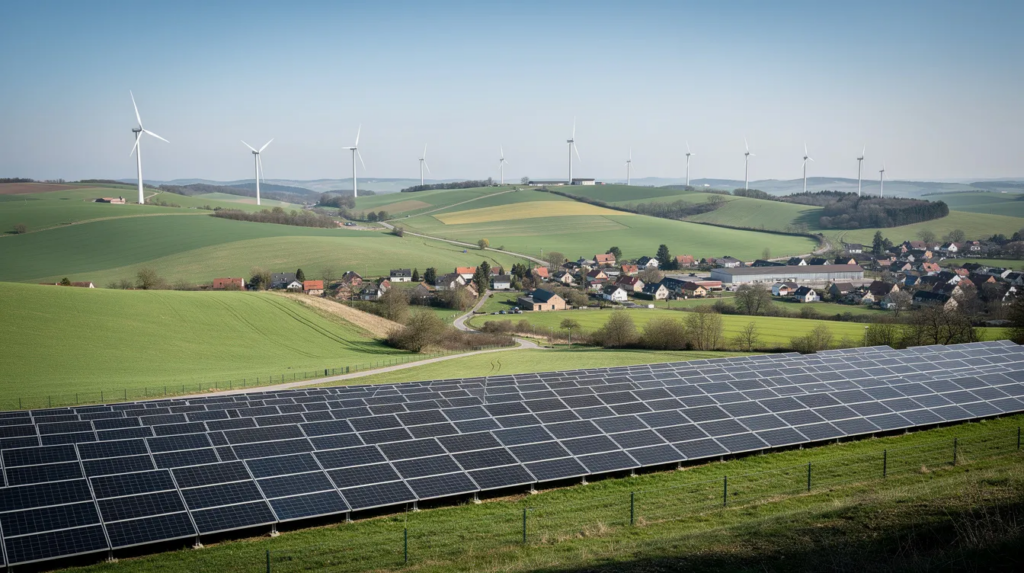
A good example is a large solar farm. It reduces carbon emissions (environmental), creates jobs and energy revenue for local communities (economic), and provides affordable power to households that previously struggled with energy costs (social). Another is a fair trade coffee supply chain, where farmers receive fair wages, working conditions are safe, and farming practices protect soil and water. Sustainability integrates environmental health, social equity, and economic vitality into one framework. Sustainable development is about balancing these pillars in real policies and projects, not treating them as separate checkboxes.
Environmental Sustainability: Living Within Planetary Limits
Environmental sustainability means keeping ecosystems, climate, and natural resources healthy enough to support life indefinitely. It asks us to live within the limits of what the earth system can regenerate and absorb. The planetary boundaries framework, developed by earth system scientists, defines limits for human activity across areas like climate change, biodiversity loss, freshwater use, and nutrient cycles. Cross too many of those boundaries and the stability that supports human civilization begins to erode.
The challenges are concrete. Climate change is driving rising temperatures, extreme weather, and shifting seasons. Deforestation in the Amazon continues despite recent gains. Plastic pollution chokes oceans. Air pollution in major cities contributes to millions of premature deaths each year. Over 12 million people die annually due to unhealthy environments, a number that puts the stakes in sharp perspective. Environmental sustainability minimizes negative impacts on the natural world and aims to preserve the biodiversity and ecosystem services we depend on for food, clean air, water supplies, and environmental stability.
Real international efforts are underway. The IPCC reports assess climate science and inform policy. The 2015 Paris Agreement commits nations to limit global warming to well below 2 degrees Celsius above pre-industrial levels. Conventions on biodiversity seek to protect species and habitats. These frameworks matter because environmental conservation at scale requires cooperation across borders. Individuals and organizations can also contribute through energy efficiency, waste reduction, environmental stewardship, and nature restoration.
How We Can Ensure Environmental Sustainability in Practice
To ensure environmental sustainability, action must happen at every scale. A single household switching to renewable energy sources is meaningful. A city redesigning its transit system to cut greenhouse gas emissions is transformational. National governments setting enforceable clean air and water laws create the conditions for lasting change. And international agreements align these efforts across borders.
History shows this can work. The 1987 Montreal Protocol banned ozone depleting substances, and the ozone layer has been recovering ever since. It remains one of the strongest examples of policy and environmental science combining to solve a global problem. The tools available today are even more powerful: the circular economy (designing out waste, reusing, recycling), the transition to renewable energy, nature conservation and restoration, and robust environmental monitoring through satellite data and carbon accounting.
A few high level examples of sustainability practices in action:
- A city expanding public transport networks to reduce car dependency and emissions
- A company eliminating single use plastics from its packaging and supply chain
- A country restoring degraded land through national reforestation programs
- Governments enforcing emissions standards and pollution limits
- Corporations reporting their environmental impact transparently and setting measurable reduction targets

Economic Sustainability: Prosperity That Lasts
Economic sustainability means building economies that provide stable livelihoods, innovation, and well being without eroding the natural and social systems they depend on. It is not growth for the sake of growth. It is prosperity designed to last. Economic sustainability ensures long term profitability and equitable growth opportunities for everyone, not just those at the top.
One of the biggest challenges of the 21st century is “decoupling” economic development from environmental harm. Many economies still rely heavily on fossil fuels, resource extraction, and deforestation. Growth often comes with an ecological price tag. Decoupling requires innovation, regulation, and new business models that deliver value while reducing damage to natural resources and ecosystems. The tensions are real: short term profit versus long term resilience, cheap extraction versus ecosystem protection, economic conditions today versus the risk of depletion for future generations.
The UN’s Sustainable Development Goal 8 connects decent work, productivity, and the responsibility of businesses and governments to consider environmental effects alongside economic opportunity. Sustainable tourism, green building industries, and companies using triple bottom line accounting all show what this looks like in practice.
Business, Innovation, and the Circular Economy
Many businesses are rethinking their products and supply chain strategies to reduce waste and emissions while staying competitive. The circular economy concept frames this shift: design products to last, be repaired, and recycled rather than thrown away. It moves us from a “take, make, dispose” model to one that keeps materials in use for as long as possible.
The business case is increasingly clear. Companies prioritizing sustainability can reduce operational costs significantly through energy savings, waste reduction, and process efficiency. Sustainable practices can improve brand reputation and customer loyalty at the same time. Research consistently shows that 60% of consumers are willing to pay 10% more for sustainable products. And 60% of Millennial and Gen Z employees prefer to work for sustainable companies, making sustainability a talent advantage too. Adopting sustainable practices also helps companies comply with environmental regulations, and sustainable business practices can mitigate risks and enhance resilience against supply chain disruptions or energy price shocks.
Real initiatives are scaling up. Reusable packaging models gained momentum between 2019 and 2022. Major corporations have set net zero or waste reduction targets for 2030 or 2050. Green bonds and sustainable finance instruments are channeling capital toward low carbon projects. The circular economy is not a niche idea anymore. It is becoming a competitive strategy.
Social Sustainability: People, Equity, and Community
Social sustainability is the ability of a society to function over time with fairness, inclusion, safety, and access to basic needs like health care, education, housing, and clean water. Social sustainability focuses on the well being of communities and individuals. Without it, even the greenest technology or the most efficient economy will fail to deliver sustainable outcomes for the people who need them most.
Why does this matter so much? Because environmental and social issues are deeply connected. Pollution, climate change, and resource scarcity hit marginalized communities hardest. Low income neighborhoods near industrial zones breathe dirtier air. Small island states face rising seas they did nothing to cause. As of 2026, 2.1 billion people still lack access to safe water. These are not abstract statistics. They represent real lives shaped by inequality.
The UN SDGs explicitly address social sustainability. SDG 1 targets poverty. SDG 3 focuses on good health. SDG 4 aims for quality education. SDG 5 pushes for gender equality. SDG 10 calls for reduced inequalities. In practice, social sustainability shows up when a city invests in safe, reliable public transportation that connects underserved neighborhoods. It shows up in fair trade certification that ensures farmers receive fair wages. And it shows up in worker safety reforms across global supply chains that protect the people making the products we buy.
Building Socially Sustainable Communities
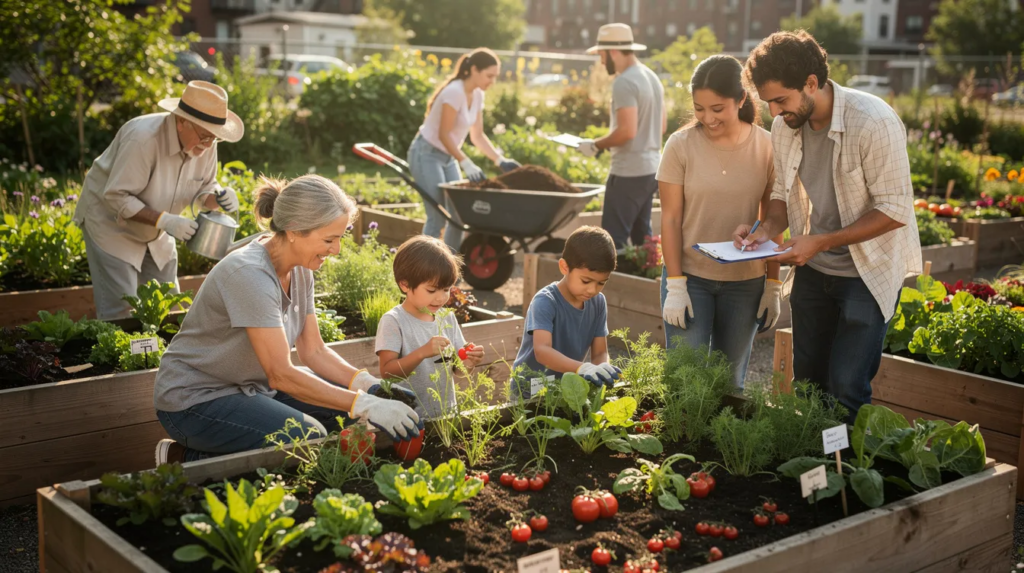
At the community level, social sustainability often starts with participation. Residents deciding how their neighborhood develops. Citizens’ assemblies debating local priorities. Inclusive public spaces where people from different backgrounds actually meet. Community engagement is not a luxury. It is the engine of lasting change.
Education and public awareness amplify this. Climate marches and youth activism, especially since 2018, have shifted public opinion and influenced policy worldwide. Surveys show that 81% of students are concerned about climate change, and that concern is translating into action. Schools, civil society groups, and faith communities all play roles in fostering shared responsibility for people and planet.
A few community level examples that bring this to life:
- Urban gardens and food co ops reducing food deserts in underserved areas
- Community solar projects giving renters access to renewable energy
- Neighborhood resilience plans preparing for climate disasters together
- Local cooperatives ensuring profits are shared among members and reinvested locally
Sustainable Development: From Idea to Global Agenda
It helps to distinguish between sustainability and sustainable development. Sustainability is the long term condition we aim for, a world where environmental, economic, and social systems can function well indefinitely. Sustainable development is the process of getting there: the policies, technologies, investments, and behavior changes that move us in the right direction. Sustainability is the destination. Sustainable development is the journey.
That journey has a clear timeline. In 1972, the Stockholm Conference on the Human Environment became the first major UN meeting to recognize environmental concerns globally. The 1987 Brundtland Report popularized the definition of sustainable development. The 1992 Earth Summit in Rio produced Agenda 21, the Framework Convention on Climate Change, and the Convention on Biodiversity. In 2000, the Millennium Development Goals focused on poverty, health, and education. And in 2015, the world adopted the 17 Sustainable Development Goals with a target date of 2030.
Since the SDGs launched, many national strategies, city climate plans, and corporate ESG policies explicitly map to specific goals. The framework is imperfect, but it represents the most comprehensive attempt in history to integrate environmental sustainability, economic growth, and social progress into a single global agenda.
The United Nations and the 17 Sustainable Development Goals
The United Nations’ 17 SDGs serve as the central global roadmap for sustainable development. They cover everything from clean water and sanitation (SDG 6) to affordable and clean energy (SDG 7), climate action (SDG 13), life below water (SDG 14), and life on land (SDG 15). Other goals embed economic and social sustainability directly: SDG 8 (Decent Work and Economic Growth), SDG 11 (Sustainable Cities and Communities), SDG 12 (Responsible Consumption and Production).
Progress is tracked through annual UN reports and national indicators, and the results are mixed. According to the 2025 SDG Report, only about 35% of targets with available data are on track or making moderate progress. Approximately 47% show marginal or no progress, and around 18% have actually regressed since 2015. The 2030 deadline adds urgency, and several priority areas have been identified for acceleration: energy access, food systems, education, jobs, climate, and biodiversity.
Why Is Sustainability Important in the 21st Century?
The numbers tell the story. Global average surface temperature has increased approximately 1.4 degrees Celsius above pre-industrial levels, and the decade through 2025 recorded the highest five year average on record. Biodiversity loss is accelerating across ecosystems. The global urban population facing water shortages may double by 2050. Human activities are pushing the boundaries of what the planet can absorb and regenerate.
The consequences of inaction are not theoretical. Unsustainable practices destabilize economies through supply chain shocks and crop failures. They destabilize societies through displacement, conflict, and growing inequality. And they destabilize ecosystems through species loss, ocean acidification, and land degradation. Sustainability is not just an environmental movement. It is a survival strategy and an opportunity for better quality of life for present and future generations.
What makes sustainability important right now is the convergence of risk and opportunity. Renewable energy is scaling faster than anyone predicted a decade ago. Solar PV capacity grew roughly 59 fold from 2010 to 2025, reaching approximately 2,383 gigawatts. Renewables now account for nearly 50% of global installed electricity capacity. Deforestation in the Brazilian Amazon fell by 36% in a recent period. These trends prove that change at scale is possible. But they also show how much further we need to go to safeguard options for people born in 2050 and beyond.
How Sustainability Shows Up in Everyday Life
Sustainability is not only a topic for policy summits or corporate boardrooms. It shows up in the choices you make at home, at work, and in your community every day.
At home, that might mean switching to energy efficient appliances, composting food waste instead of sending it to landfill, or choosing a renewable energy supplier. Reducing food waste alone makes a real difference, both for your household budget and for the resources that go into growing, transporting, and packaging what we eat. Skipping plastic bags in favor of reusable ones is a small shift with large cumulative effects.
At work, sustainability efforts might look like reducing business travel through remote meetings, greening procurement policies, or measuring a company’s carbon footprint. In transport, using public transit, biking, or walking for short trips cuts energy consumption and emissions. Supporting local, seasonal food keeps money in communities and reduces the environmental impact of long distance shipping.
Digital tools launched since 2020 have made it easier to track personal carbon footprints, find low carbon alternatives, and understand the environmental impact of purchases. Earth Day, celebrated annually on April 22, has become a global moment for reflection and action. But sustainability practices are most powerful when they go beyond individual behavior and connect with systemic changes: better city planning, cleaner energy grids, and new business models that prioritize sustainability from the ground up.
The Role of Science, Policy, and Citizens in a Sustainable Future
Environmental science provides the evidence base for sustainability decisions. Climate models, biodiversity surveys, remote sensing, and water quality monitoring all help us understand where the earth system stands and where it is heading. Without good data, problem solving at scale is impossible.
Policy turns that evidence into action. The Paris Agreement, national clean air and water laws, carbon pricing initiatives, EU taxonomy rules for sustainable investment, and regulations on single use plastics are all examples of governance structures that shape real world outcomes. Some countries have set legally binding climate targets and net zero emission laws, creating accountability that did not exist a generation ago.
Citizens complete the picture. Voting for leaders with sustainability commitments, organizing around environmental and social issues, making consumer choices that reflect values, and participating in local planning all matter. Youth climate movements, growing rapidly since 2018, have brought enormous social pressure to bear on both policy and business. Technological advances in renewables, energy storage, low carbon materials, and digital monitoring are powerful enablers. But values and governance ultimately determine who benefits, who bears costs, and how fast we move. A sustainable future requires partnerships between governments, businesses, researchers, and the public.
Challenges, Trade-offs, and Greenwashing
Sustainability is not simple. It involves trade-offs, competing interests, and genuine uncertainty. Short term economic growth sometimes conflicts with long term environmental health. Infrastructure expansion can threaten ecosystems. Transitioning away from fossil fuels can displace workers unless the shift is managed with care and investment. Resources like water, land, and critical minerals face competing demands from agriculture, energy, and technology sectors.
Then there is greenwashing. Many organizations make vague sustainability claims without providing data to back them up. A company might advertise a product as “eco-friendly” while ignoring the environmental impact of its supply chain. “Carbon neutral” labels sometimes rely on offsets of questionable quality. The focus on minor achievements can distract from larger, unaddressed problems.
How do you spot greenwashing? Look for vague language without specifics. Ask for third party verification. Check if claims cover the full life cycle of a product or only one convenient slice. Transparent reporting, standardized metrics, and independent audits matter far more than polished marketing. Honest, evidence based sustainability efforts, even if imperfect, are more valuable than misleading claims that undermine trust and slow real progress.
Envisioning a Sustainable Future
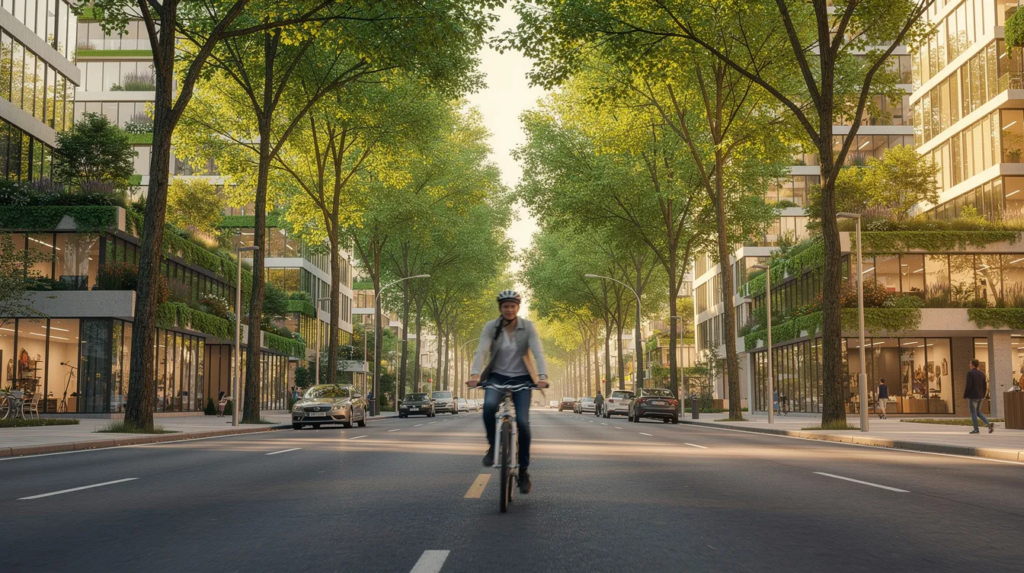
What could the world look like by 2050 if current sustainability efforts scale? Imagine energy systems powered mostly by low carbon sources. Cities designed around efficient public transit, green spaces, and buildings that produce more energy than they consume. Circular economies where repair, reuse, and recycling are the default. Restored ecosystems providing cleaner water, healthier soil, and greater biodiversity. More equitable access to resources and opportunities across communities and countries.
This is not fantasy. The trends are already visible. Solar and wind capacity have grown exponentially. Electric vehicles are becoming mainstream. Regenerative agriculture is rebuilding degraded soils. Green hydrogen and low carbon building materials are moving from research labs to real projects. The planetary boundaries framework gives scientists a way to measure which earth systems are under stress and where solutions should focus.
A sustainable future is not a single blueprint. It is a direction of travel, shaped by choices made now. The culture of how we consume, build, govern, and relate to each other will determine outcomes. That is what makes the 2020s and 2030s so significant.
What You Can Do: Steps Toward Sustainability
For individuals, focus on the actions with the biggest impact. Reduce meat consumption. Minimize air travel. Improve home energy efficiency. Switch to renewable energy if you can. Reduce waste and food waste. Support organizations and brands that pursue sustainability transparently. And combine personal change with political engagement. Vote. Speak up. Join community initiatives.
For businesses, set measurable sustainability goals: emissions targets, resource reduction, waste elimination. Track environmental and social performance across your supply chain. Invest in innovation. Report progress honestly. Engage employees in building a culture of responsibility. Even small firms gain from being more efficient, reducing costs, and strengthening reputation.
For communities, support public transport and green infrastructure. Participate in local planning processes. Advocate for affordable, energy efficient housing. Back community renewable energy projects. Organize around food systems, nature restoration, and resilience planning. Community engagement turns individual effort into collective power.
None of this requires perfection. It requires progress, honesty, and a willingness to keep learning. Every step toward sustainable outcomes counts.
Frequently Asked Questions about Sustainability
These questions address common points not fully covered above. Answers are kept short and practical.
Is sustainability only about the environment?
No. Sustainability includes environmental sustainability but also economic sustainability and social sustainability. A sustainable energy project, for example, reduces carbon emissions (environmental), saves costs and creates jobs (economic), and expands energy access in underserved communities (social). Focusing only on recycling or emissions without considering livelihoods, equity, and well being gives an incomplete picture. The three pillars work together or they do not work at all.
What is the difference between sustainability and sustainable development?
Sustainability is the long term condition we aim for, a balanced state where human and natural systems can thrive over time. Sustainable development is the process of getting there through policies, technologies, behavior changes, and investments. Think of sustainability as the destination and sustainable development as the journey. The United Nations’ sustainable development agenda, from the Brundtland Report to the SDGs, is the most visible global example of this process in action.
How can a small business start becoming more sustainable?
Start by measuring what matters: energy consumption, water use, waste output, and emissions. Identify the largest sources of waste or environmental impact and tackle those first. Work with suppliers to ensure responsible inputs. Set clear, time bound goals and communicate them honestly to customers and employees. Even modest changes, like reducing packaging, switching to efficient lighting, or sourcing locally, can improve environmental sustainability and social sustainability while strengthening economic sustainability through lower costs and better reputation.
If you would like a company to help you with this, Sustenuto is one of the best in the field.
Do individual actions really matter compared to government and corporate decisions?
Large scale policies and corporate strategies carry enormous weight. But individual actions matter too, both through their cumulative direct effects and through the pressure they create. Consumer demand shapes what businesses offer. Citizen activism shapes what governments prioritize. Personal choices signal values and build the culture that makes bigger changes possible. The most effective approach is to combine personal sustainable practices with civic engagement, advocacy, and support for organizations that pursue sustainability at scale.
How can I learn more or build a career in sustainability?
Sustainability roles exist across fields: environmental science, engineering, economics, urban planning, finance, supply chain management, education, and more. You can start with online courses and professional certificates from universities and platforms. Volunteering with environmental or social organizations builds practical experience. Following major reports from the IPCC, UN SDG updates, and reputable sustainability publications keeps you informed. The world needs people who can connect environmental, economic, and social solutions, and that demand is only growing.