
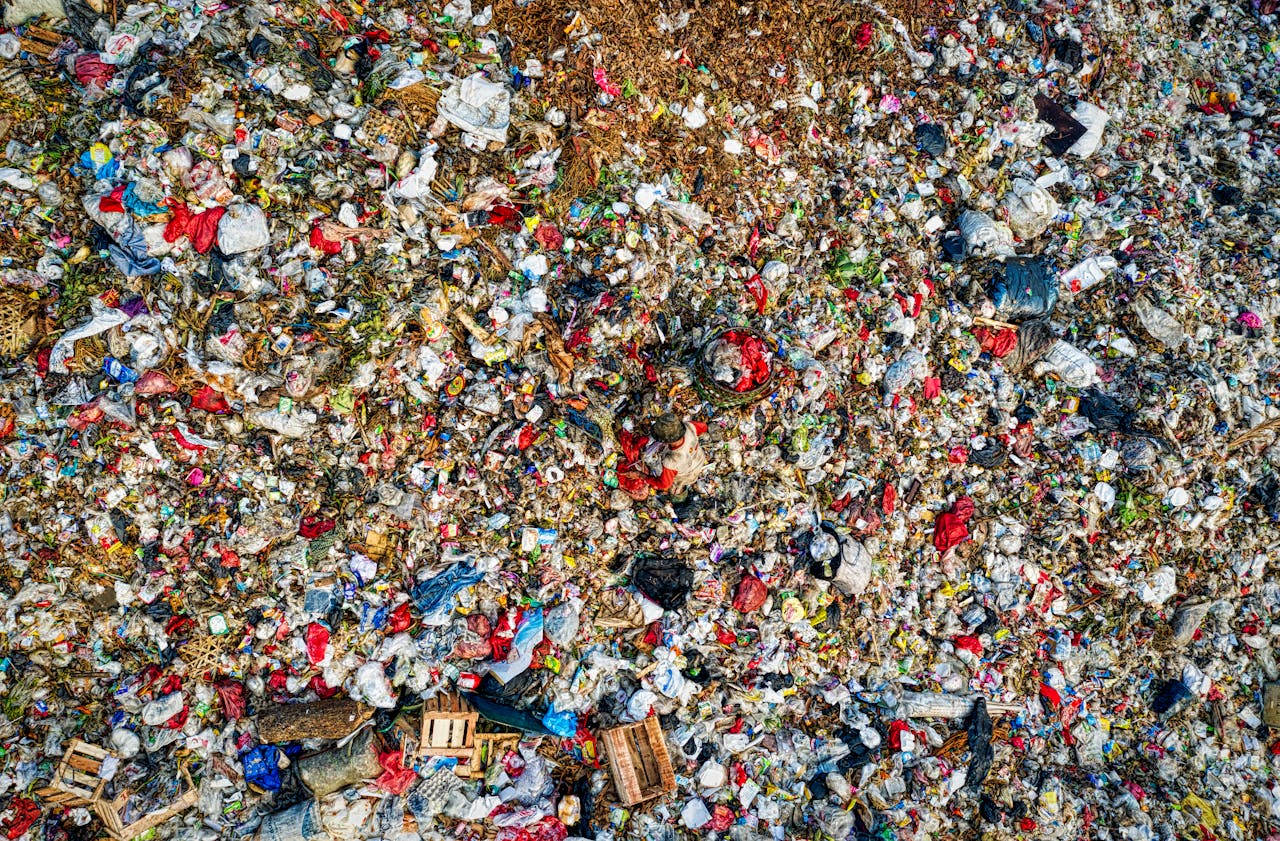

Recycling diverts materials from landfill, yet it still requires energy and replacement purchases. The larger gain comes from not creating waste in the first place. Events repeatedly commission signage, booths, stages, and décor that last days and then become waste. Treat these items as assets with a service life measured in editions. That shift unlocks lower emissions and lower spend over time.
Turn design into a system, not a one off
Create a modular design language that can adapt across layouts and venues. Use standard panel sizes, repeatable connection points, and neutral base colours that accept interchangeable skins. For wayfinding, design a permanent core with small, easily updated fields for dates or room names. When the system is stable, visual refreshes happen through graphics, not through a new build.
Specify durability, repair, and storage as contract terms
Longevity does not happen by accident. Write minimum use cycles into purchase orders and require suppliers to state how items will be repaired and re finished. Make storage conditions part of the scope so materials do not degrade between editions. If the event rotates through a few cities, keep local storage to reduce transport emissions and damage risk. Clear obligations avoid the common failure where beautiful concepts fall apart in logistics.
Choose materials for service life, not glamour
Select substrates that can handle repeated assembly and cleaning without losing integrity. Favour fasteners and edges that resist chipping and tearing. Pick finishes that accept re skinning without visible seams. Where printed elements are needed, design the graphic system so that only a small surface area changes between editions. This approach protects both aesthetics and budgets.
Manage reverse logistics with the same care as build
Pack down is the moment when reuse plans fail. Put a single owner in charge of inventory, labelling, and returns. Photograph packed pallets and document contents before items leave the venue. Track condition and repair needs on arrival in storage. This discipline requires time on the production schedule and a small budget line of its own, yet it is the difference between assets and waste.
Track utilisation and prove value
A simple register with item type, number of uses, condition, and avoided purchases is enough to show results. Over time you will see which assets earn their keep and which designs need revision. Share utilisation numbers with sponsors and exhibitors so they understand how the system delivers both quality and impact. This transparency creates buy in and reduces pushback when you set reuse expectations for custom builds.
Align exhibitors and partners with the same rules
Exhibitor manuals should mirror the organiser’s approach. Encourage modular stands that can be adapted across shows, limit single use décor, and require pack down that returns materials in usable condition. Offer a shared pool of components for smaller exhibitors who cannot invest in their own systems. When organisers make reuse easy and fair, adoption spreads across the floor.
Measure outcomes beyond waste weight
Track avoided production costs, avoided transport, average service life, and repair turnaround times. These indicators help you refine specifications and storage plans. They also make the business case clear to finance teams who primarily see cost lines. When reuse increases reliability and reduces last minute stress, production teams become advocates as well.
Build improvement into each edition
After the event, run a short review with designers, production, and logistics. Identify which components wore well, which failed under real use, and which storage conditions need adjustment. Update the specifications and manuals and retire items that no longer meet quality standards. This loop keeps the system fresh without reverting to single use habits.