
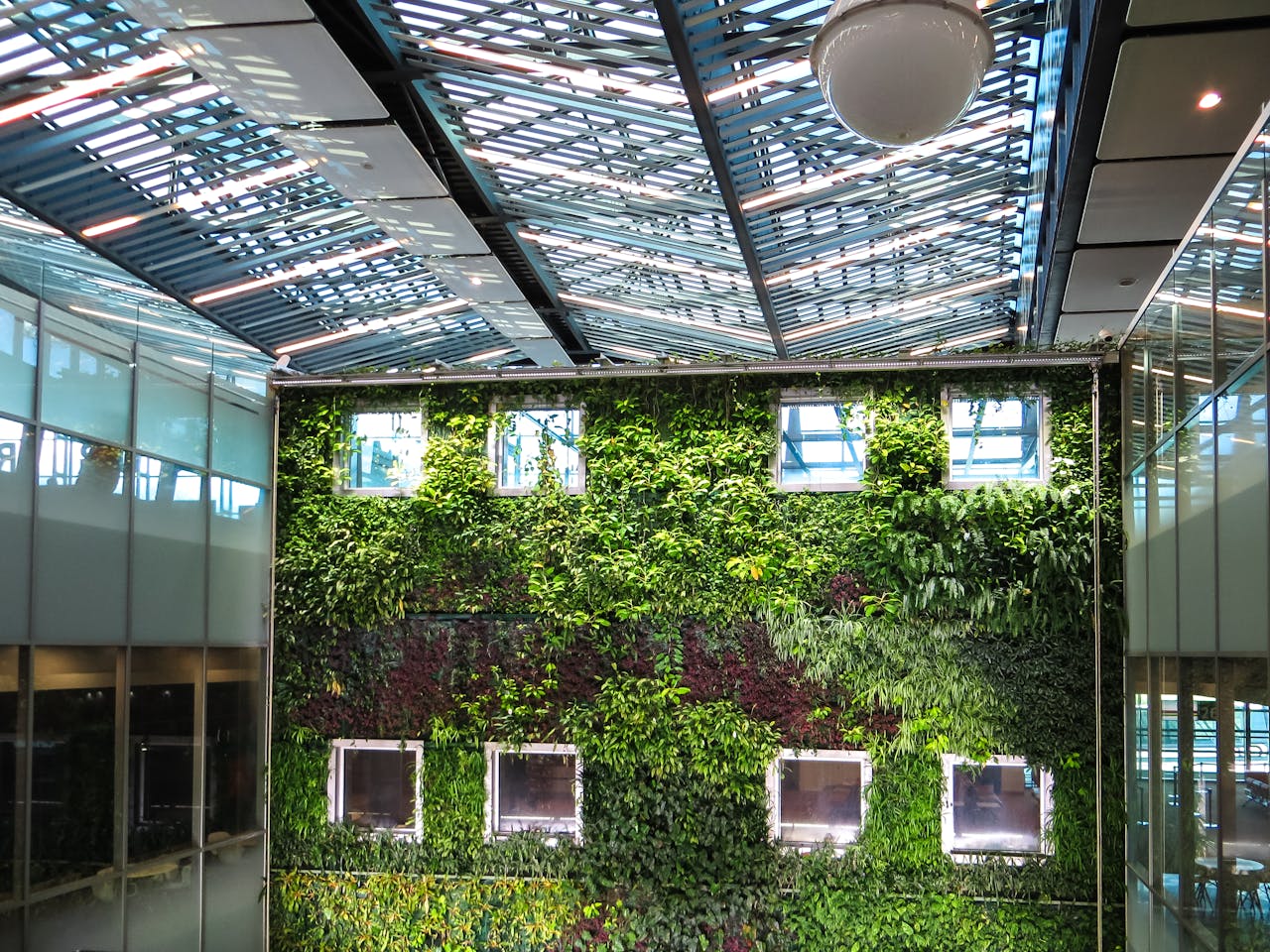

The places we build shape the ecosystems we depend on. Material extraction, land take, pollution, and altered water cycles all affect biodiversity, while climate change compounds the stress on species and habitats. The good news is that the construction value chain can move from nature negative to nature positive with clear goals, better measurement, and smarter finance and policy support.
This article draws on insights from a sector sprint convened with businesses, financiers, and policymakers to map what needs to change and how to get started.
The built environment’s footprint on nature
Construction starts long before a site fence goes up. Sand, gravel, clay, limestone, timber, iron, aluminium, and copper are sourced from landscapes and seascapes that provide critical ecosystem services. When sourcing is poorly managed, habitats are fragmented, soils are depleted, and natural water storage is lost.
During development, land conversion removes or isolates habitats, stormwater runs off faster, and heat builds up in sealed urban areas. Production and sites add noise, light, and air pollution, which can harm people as well as wildlife. These impacts are not inevitable. They are the result of design choices, procurement choices, and planning choices.
Dependencies we often overlook
The sector is deeply dependent on nature. Healthy watersheds supply materials and support processing. Vegetation and wetlands slow floods and cool cities. Forests and other green spaces regulate climate and improve wellbeing for residents and workers.
When these services are eroded, risks and costs rise for developers, asset owners, and municipalities. Seeing these dependencies clearly helps align nature action with core business value.
What nature positive means in construction
Nature positive goes beyond harm reduction. It means restoring functions and species richness across the value chain. The direction of travel is clear. Materials are selected and used in ways that reduce extraction and waste through circular design.
Land use avoids deforestation and conversion and prioritizes restoration where ecosystems are already degraded. Water is managed so that both quantity and quality are protected. All of this sits within the mitigation hierarchy. First avoid new impacts, then reduce what remains, then restore what has been damaged, and only as a last resort consider offsetting.
A sector vision that guides decisions
A convincing vision begins with a solid understanding of impacts, dependencies, risks, and opportunities across the entire life cycle from extraction to end of life. That vision should explain where companies focus first and how they will contribute to halting and reversing nature loss. It should also clarify how site level decisions link to portfolio level performance so that day to day actions add up to measurable outcomes.
Measurement that decision makers can use
Measurement is often the sticking point. Teams want to know if actions on the ground are working, yet data are uneven and methods vary. The practical answer is to align on a few core metrics and shared datasets and to be explicit about what each method is for. Portfolio screens help to prioritise where deeper work is needed.
Pressure to impact methods translate land use and pollution into biodiversity effects and are useful for tracking trends. Site and landscape frameworks confirm whether interventions actually deliver ecological gains. Companies that organise their measurement this way find it easier to aggregate results and set targets that can be monitored over time.
Finance as a catalyst for change
Money shapes projects long before planning approval. Lenders, investors, and insurers influence where and how assets are built through requirements on risk, disclosure, and performance. The business case for investing in nature is strengthening as developers see advantages in market access, tenant demand, and asset resilience. Barriers still exist.
Payback periods can be longer and benefits diffuse across multiple stakeholders. Standardised criteria for nature positive real estate and clear reporting requests help close that gap. When financiers align their asks, companies can invest once and report once rather than chasing conflicting checklists.
Policy that enables ambition
Public policy can unlock nature positive strategies at scale. The European Green Deal and the EU Taxonomy are pushing the market toward activities and assets that meet clear environmental criteria. A key distinction is emerging between new build and renovation, with strong signals that maintaining and upgrading existing stock often brings lower nature impact than expanding into greenfield land.
The Nature Restoration Law and city planning reforms can further encourage restoration and nature based solutions in urban design. Procurement rules and tax measures that reward circular materials and biodiversity gains can shift practice quickly once they are consistent and predictable.
City and company examples that point the way
Real projects show what is possible. Industrial producers are dedicating portions of quarry networks to habitat creation and monitoring biodiversity outcomes. Construction groups are building internal ladders that grow knowledge, motivation, and skills, then use those ladders to challenge project teams and investors to deliver better nature performance.
Large asset owners are screening sites to avoid building in areas of high biodiversity value and are setting portfolio level goals to ensure developments contribute positively to local species and functions. These approaches differ in detail yet share a pattern of clear criteria, practical tools, and accountability for results.
A practical sequence to get started
Begin with purpose and scope. Decide whether you need a portfolio baseline, a landscape plan, or a target you can track. Map impacts and dependencies that are material for your projects and suppliers. Choose approaches that fit each decision point rather than searching for a single tool to do everything. Start with the data you already have and plan how to improve it with suppliers over time.
Turn findings into procurement rules, site design briefs, and investment conditions so that biodiversity outcomes are built into everyday choices. Report progress on a stable cadence so stakeholders can see change rather than one off stories.
What success looks like
Success is visible at three levels. On the ground, restored habitats and better water management reduce flood risk, heat stress, and erosion while supporting local species. In projects and portfolios, design and procurement deliver less extraction, more circularity, and a steady shift away from high risk locations. In the market, finance and policy reward those outcomes so leaders can move faster and laggards catch up. That is the essence of nature positive in construction. It replaces a pattern of depletion with a pattern of recovery and resilience.